Every answer from an AI assistant runs up a small electricity bill in a data center somewhere, and for years the size of that bill was guesswork. In August 2025 Google published measurements from its own fleet instead of estimates: a median text prompt to its Gemini apps draws 0.24 watt-hours of energy. That’s a small number, the caveats around it are worth reading carefully, and the gap between it and older claims shows how shaky the old figures were.
What Google measured

Google released the work on August 21, 2025 as a technical paper, “Measuring the environmental impact of delivering AI at Google Scale”, summarized in its post on measuring the environmental impact of AI inference. The headline figures for a median Gemini Apps text prompt: 0.24 watt-hours of energy, 0.03 grams of carbon dioxide equivalent, and 0.26 milliliters of water, about five drops. The custom TPU chips that do the inference account for 58 percent of the energy. The rest goes to host processors, memory, machines sitting idle between requests, cooling, and the building around them. For scale, the paper’s own comparison runs to less energy than nine seconds of television, and MIT Technology Review worked it out as roughly one second of a microwave.
The same measurement taken a year earlier would have been far heavier. Across a recent twelve-month period, the energy behind a median Gemini text prompt fell by a factor of 33 and its carbon footprint by a factor of 44, mostly from software efficiency work and clean energy purchasing.
What the figure leaves out

Read the number for what it is: the median of text prompts on one company’s fleet. Half of prompts use more, and the average sits above the median, since long documents and heavy users pull it upward. Image and video generation cost considerably more per request, and Google hasn’t published equivalents for them. Training the models falls outside the measurement entirely, which covers serving answers. And the fleet is Google’s own, custom TPUs in Google data centers, so the figure doesn’t transfer directly to models served on other hardware.
Accounting choices matter as much as hardware. Counting only the accelerator chips would trim the estimate by about 40 percent, and Google describes that narrower boundary as an optimistic scenario that understates the real footprint. Its 0.24 watt-hours includes idle machines, cooling, and overhead, which is the honest side of the line to stand on.
Where the old three watt-hour number came from
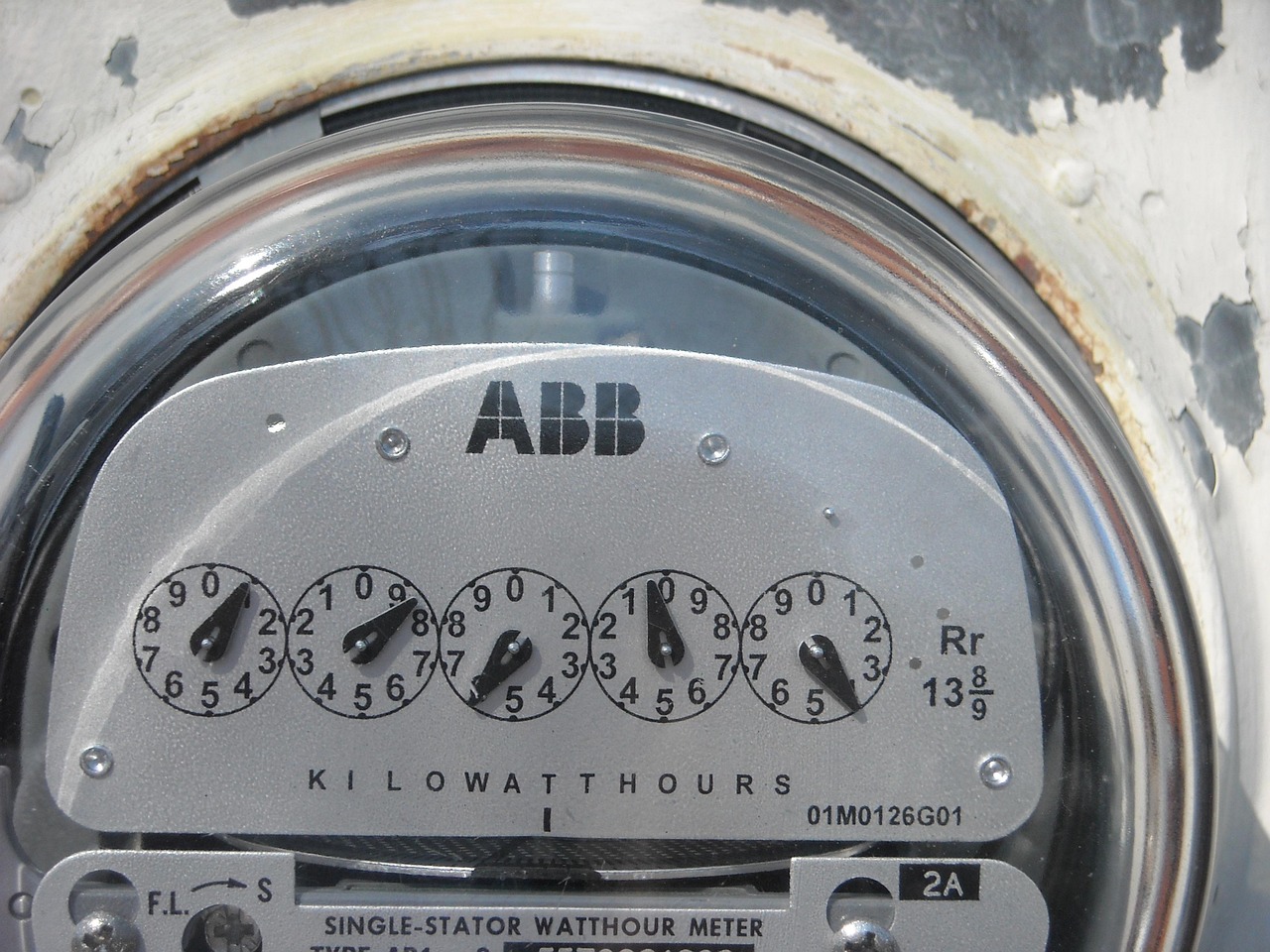
For years, a rough figure of about 3 watt-hours per AI answer circulated in reporting and speeches. Its ancestry is arithmetic, and old arithmetic at that. In January 2009, Google’s Urs Hölzle wrote that a typical search consumed 0.0003 kilowatt-hours, or 0.3 watt-hours, counting work like building the search index. In 2023, a widely cited analysis of AI’s energy use multiplied that figure by ten, following a public remark that an AI answer costs roughly ten times a keyword search. That remark was about money. The IEA repeated a figure of 2.9 watt-hours per query in 2024, and analysts at Epoch AI later called the 3 watt-hour figure a likely overestimate. Google’s own 2025 measurement of 0.24 watt-hours sits below even the 2009 search figure. Search has almost certainly grown more efficient since, though Google hasn’t published a newer per-search number.
What the whole fleet does
Individual prompts are the smallest part of the story. The IEA’s Energy and AI report, published in 2025, puts global data center electricity use at about 415 terawatt-hours in 2024, near 1.5 percent of world electricity, and projects roughly 945 terawatt-hours by 2030 in its base case. Demand from AI-optimized data centers more than quadruples over that period. Falling energy per prompt and rising total demand happen at the same time, because cheaper answers get used more often and by more services.
A household comparison
A median prompt at 0.24 watt-hours is about one sixtieth of a full smartphone charge, which typically holds around 15 watt-hours. A 10 watt LED bulb running for a minute and a half draws the same. An average American home, which the U.S. Energy Information Administration puts at roughly 10,500 kilowatt-hours a year, pulls that much electricity in under a second. A person asking fifty questions a day adds up to about 12 watt-hours, or 0.01 kilowatt-hours, against the 28 kilowatt-hours an average home draws daily. A service answering billions of queries a day is another matter entirely: it shows up in utility planning documents and in the IEA’s projections. The per-query figure is now measured and public. The totals are where the argument sits.