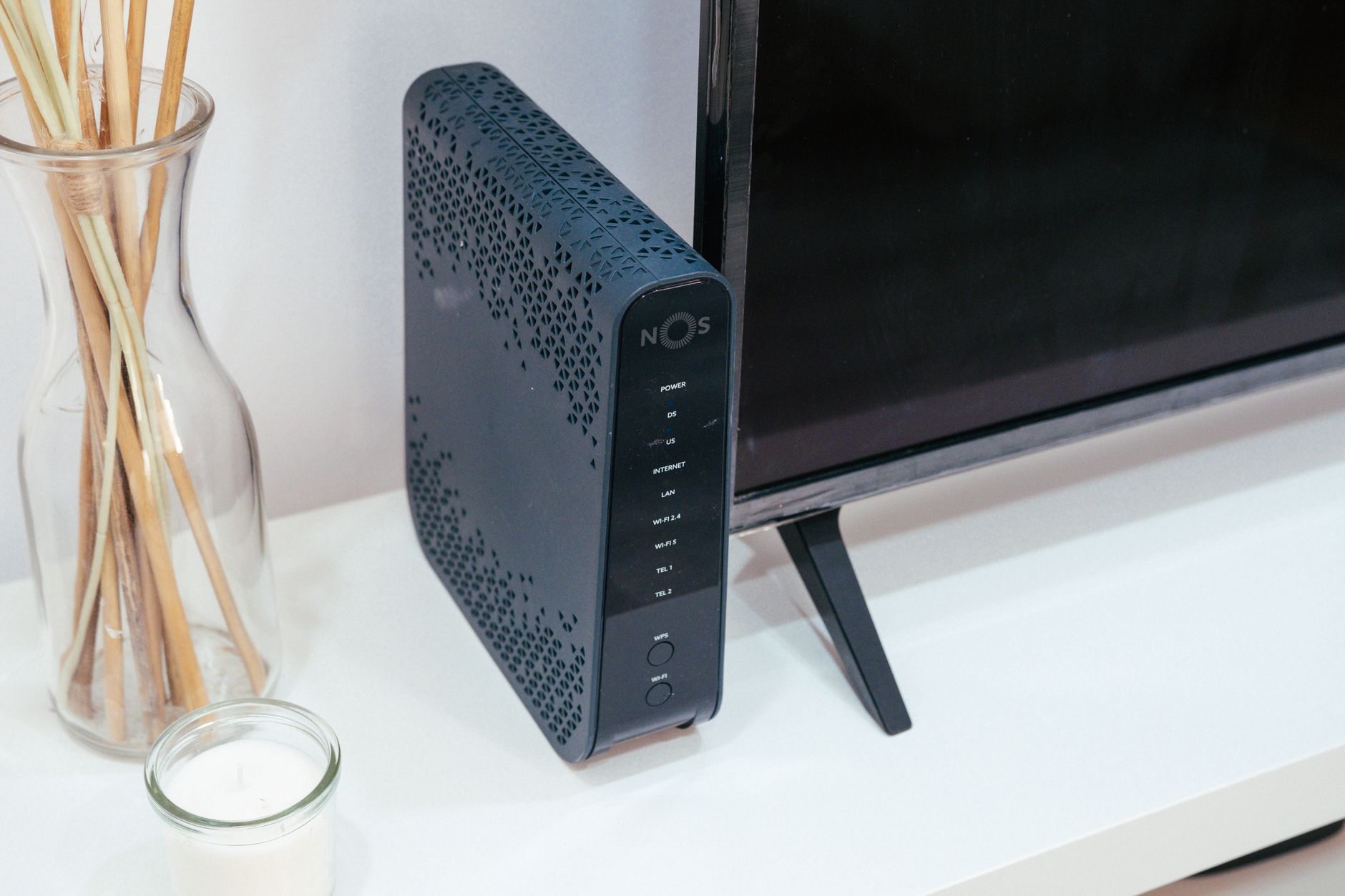
A broadband router is easy to forget. It sits behind a television or inside a cupboard, runs for years without complaint, and gets blamed only when the connection drops. Meanwhile it draws power every hour of the day, including the hours when nothing in the house is asking for any. Over a year that steady draw shows up on the electricity bill as a line item nobody thought to create.
The cost of doing nothing
Idle draw is the power a device consumes while waiting for work. For networking gear the waiting is nearly continuous. A typical ISP-supplied gateway from the mid 2010s draws between 12 and 18 watts around the clock, and a separate modem adds another 6 to 10. Modern equipment is better. A current Wi-Fi 6 router idles around 5 to 7 watts and rises to about 9 under sustained load, and many mesh nodes now power down their radios when no client is asking for them.
At 34 cents per kilowatt-hour, a 15-watt box running all year consumes roughly 131 kilowatt-hours and costs about $45. The same work done by a 6-watt box costs $18. That is a difference of $27 a year from one device, and households rarely own one. A set-top box drawing 12 watts in standby, a desktop left on overnight at 45 watts, and two old powerline adapters at 4 watts each push a single room’s idle total toward 80 watts. Eighty watts continuous is 700 kilowatt-hours a year, around $240 on the same tariff.
Heat is electricity you have already paid for
Every watt a router draws leaves the device as heat. In winter that heat is a rounding error on the heating bill. In summer it adds to the cooling load, and air conditioning spends roughly a third of a watt for every watt of heat it moves outdoors. A 15-watt router in an enclosed cabinet can warm the shelf above it by several degrees, which is why networking gear is often the hottest object in the living room cupboard. Efficient equipment runs cooler by definition, and cool electronics tend to last longer. Where fans exist, they run less.
A year of bills, compared
Take a household with a 2013-era gateway at 16 watts, a separate modem at 8, and two powerline adapters at 8 combined. The total is 32 watts continuous: 280 kilowatt-hours a year, about $95 at 34 cents per unit. Replace the three boxes with one efficient router drawing 7 watts and the annual cost falls to about $21. The new equipment costs $120 to $180.
In Germany or Denmark, where electricity trades above 34 cents, the replacement pays for itself in roughly two years. At United States average prices near 17 cents, the annual saving drops to around $37 and the payback stretches past four. The shape of the arithmetic is consistent: upgrades pay fastest where electricity is expensive, and aging hardware adds a little more to the case. Old power supplies lose efficiency as their capacitors dry out, so a seven-year-old box often draws a watt or two more than it did on day one.
When replacing the box makes sense
Three conditions favor an upgrade. The equipment is more than six or seven years old. The local electricity price is high. The box runs warm to the touch at all hours. When two of those hold, replacing tends to pay for itself quickly. When none of them hold, keeping working hardware in service carries its own value, and the most sustainable box is frequently the one already installed.
One last point on disposal. An upgrade only helps if the old unit reaches a recycling stream instead of a drawer full of dead chargers. Many electronics retailers accept networking equipment at no cost, and the copper, steel, and circuit boards inside recover value. The bill and the waste bin point in the same direction.